BCX PDLC Redesign
Creating a smarter approach to product development
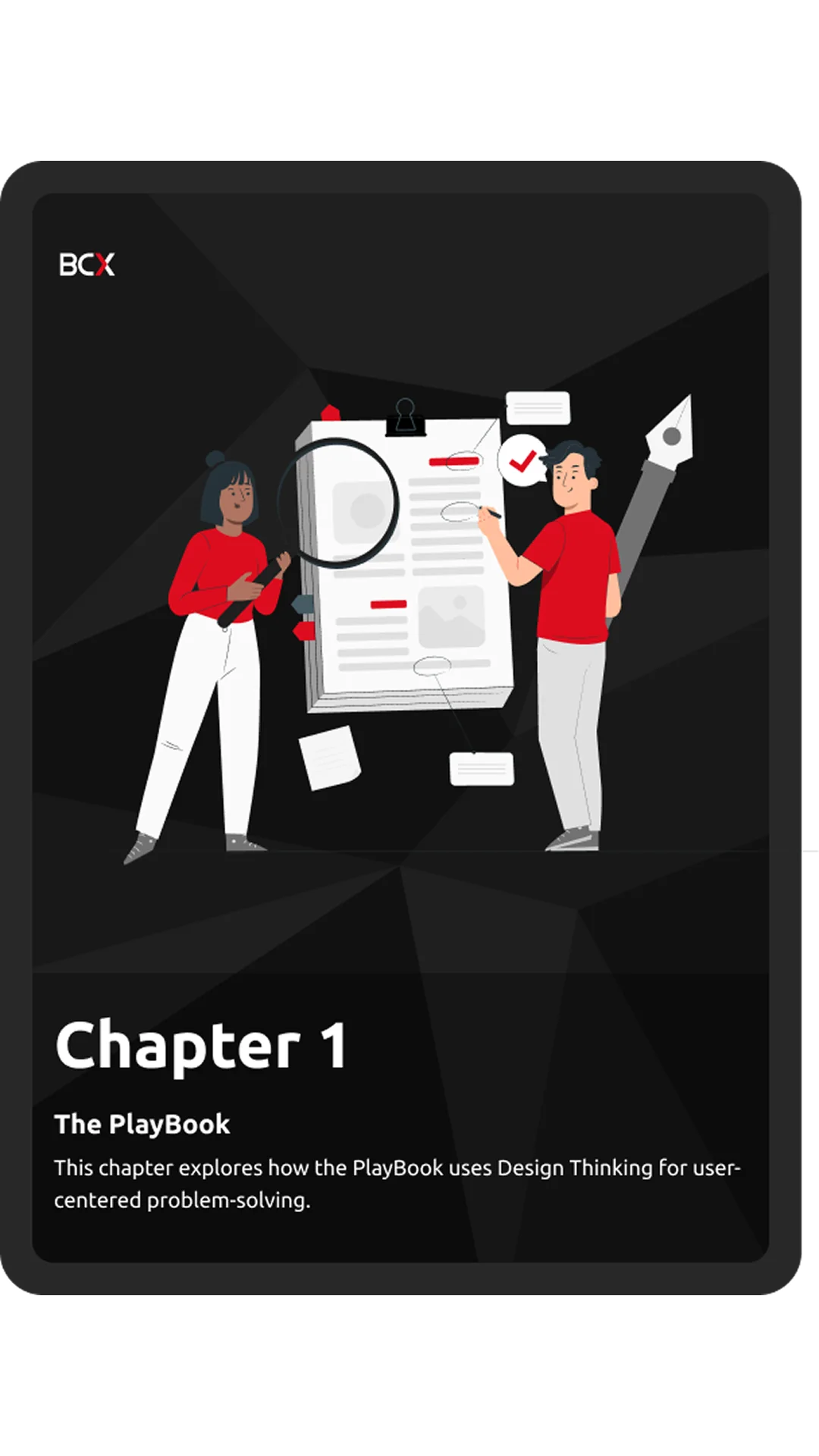
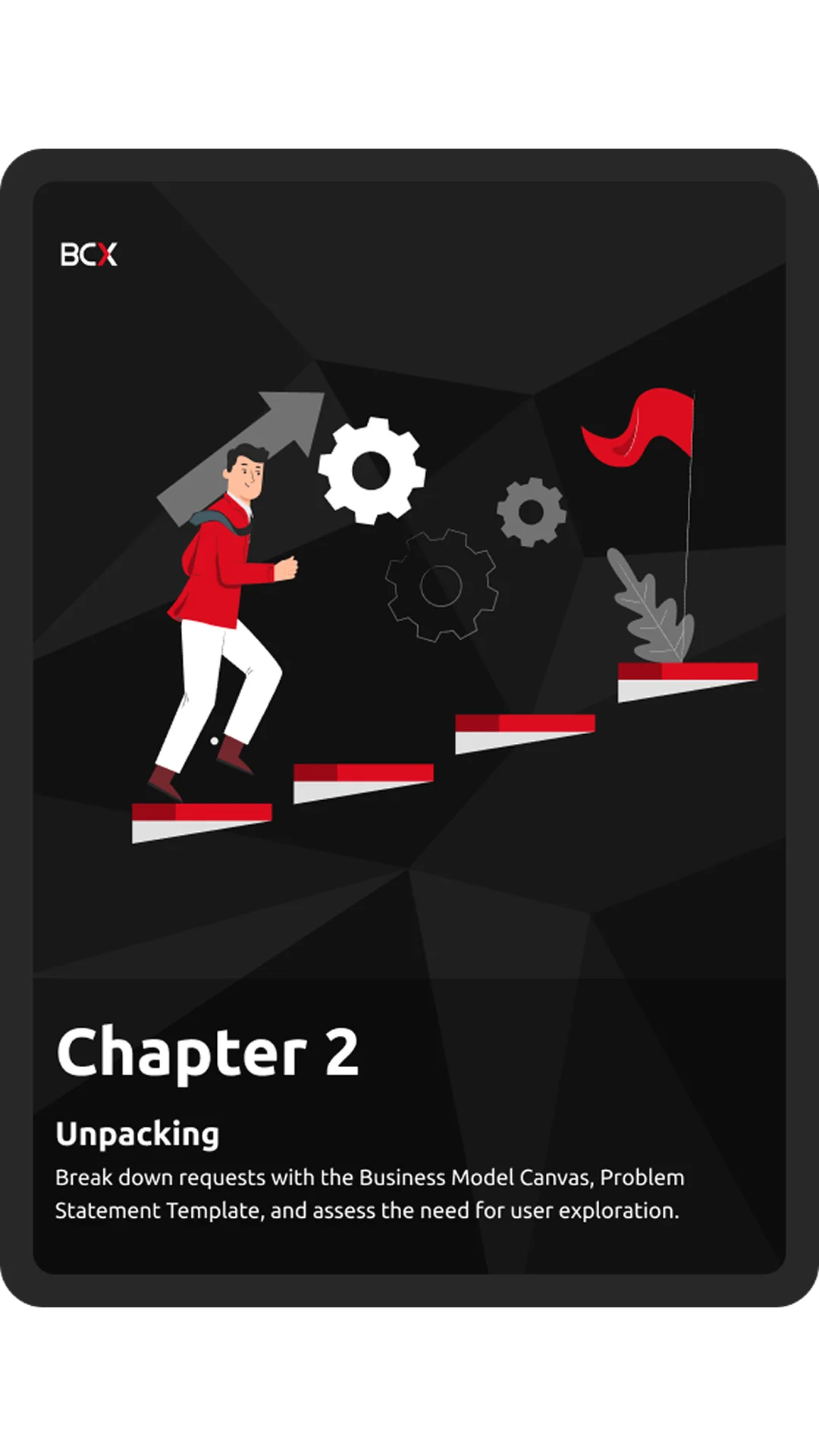
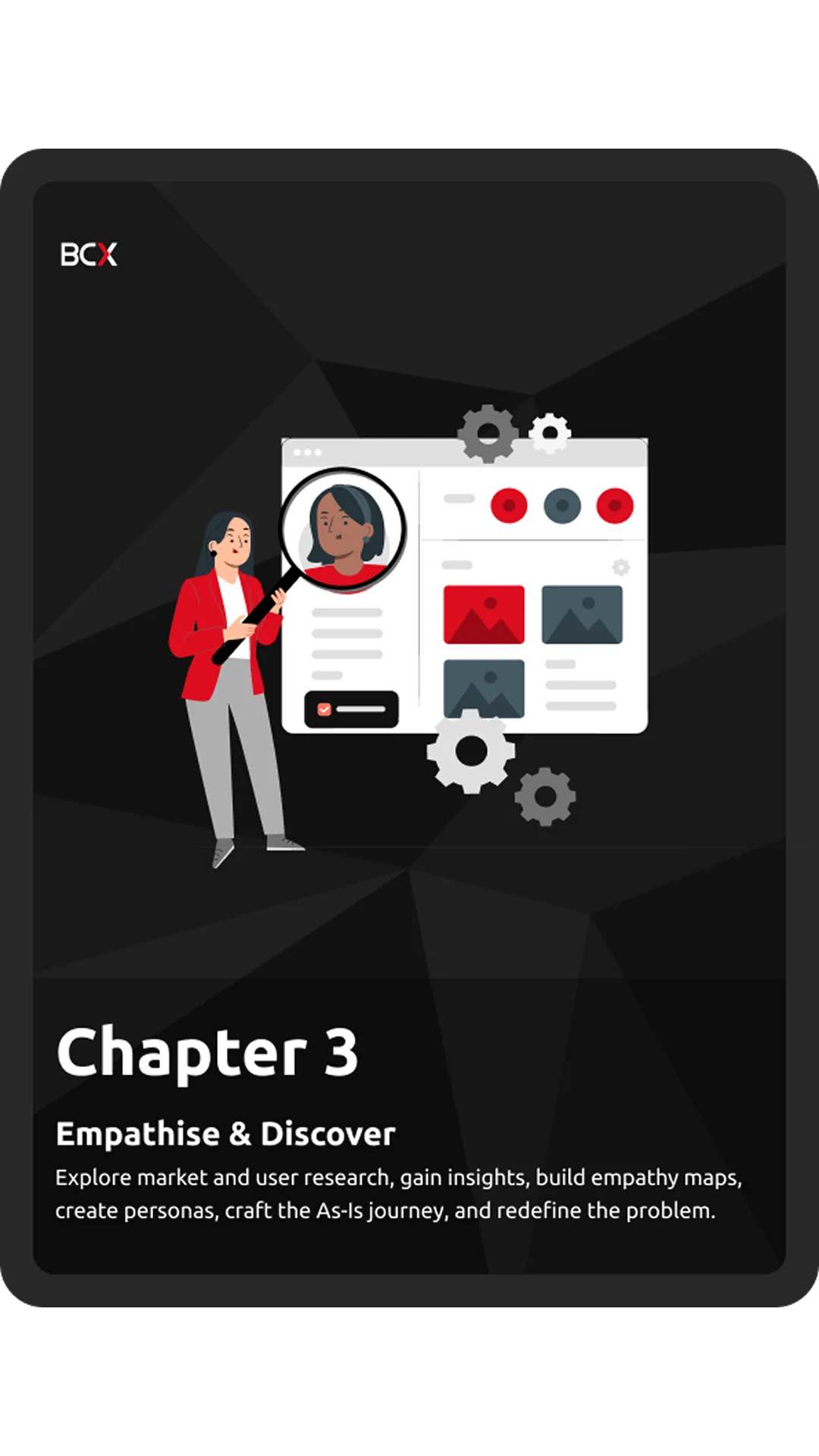
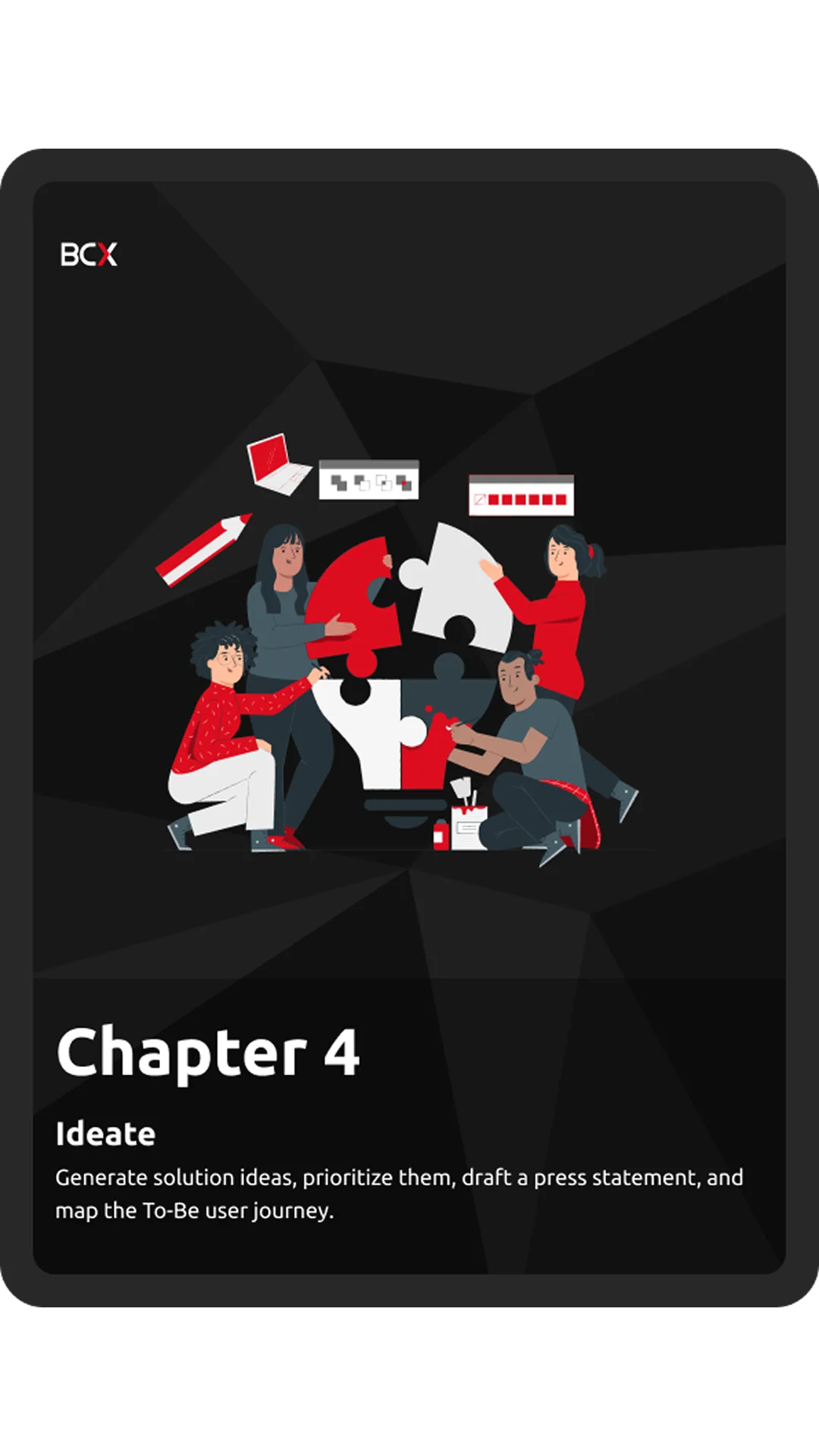
A process too slow to keep up
Too many steps, not enough clarity
BCX’s product development took 18 to 60 months, with siloed teams, unclear roles, and no shared path from idea to launch. The old waterfall-style approach couldn’t keep up. They needed a faster, clearer, and more scalable way of working.
Turning complexity into clarity
I joined a small service design team as the junior UX designer focused on visualisation and communication. My job was to make the work feel clear, practical, and ready to use.
I focused on two key areas:
– Mapping the new, simplified product journey
– Structuring and designing the Design Thinking Playbook
A Structured and Scalable Redesign
Keep it simple, make it useful
We didn’t try to reinvent everything. We looked at how BCX already worked and built from there.
The project had two main parts:
a practical guide for running better workshops and using design thinking
a clear map of how ideas should move through the business
We tested both with teams as we went. If something didn’t make sense, we fixed it. The goal was to make tools people would actually want to use.
Seeing where things broke
Listening to real frustrations
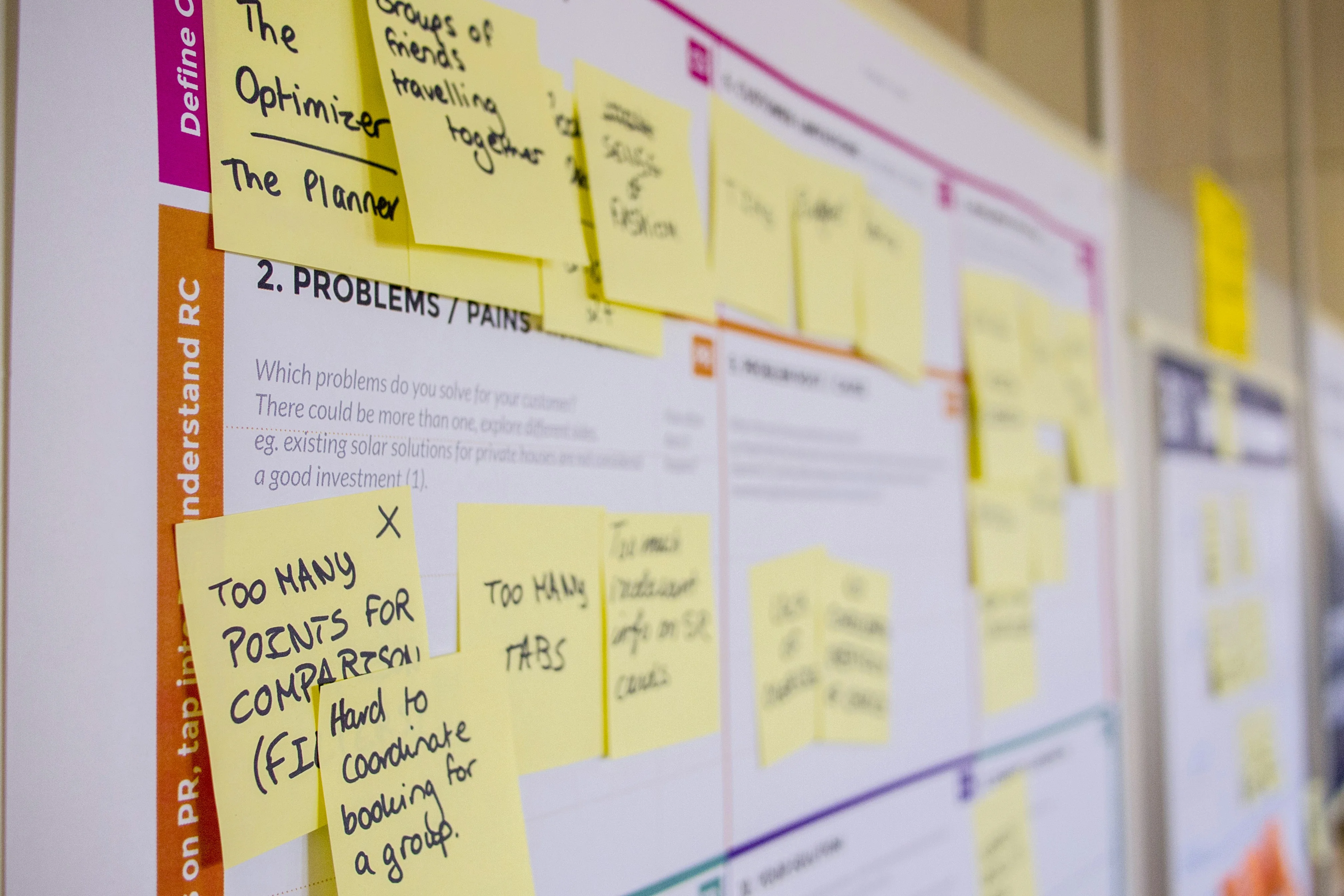
While I didn’t lead interviews, I sat in to listen to teams in product, delivery, and operations. People were trying their best, but the process didn’t support them. It was slow, filled with workarounds, and hard to explain to anyone new.

Making sense of the noise
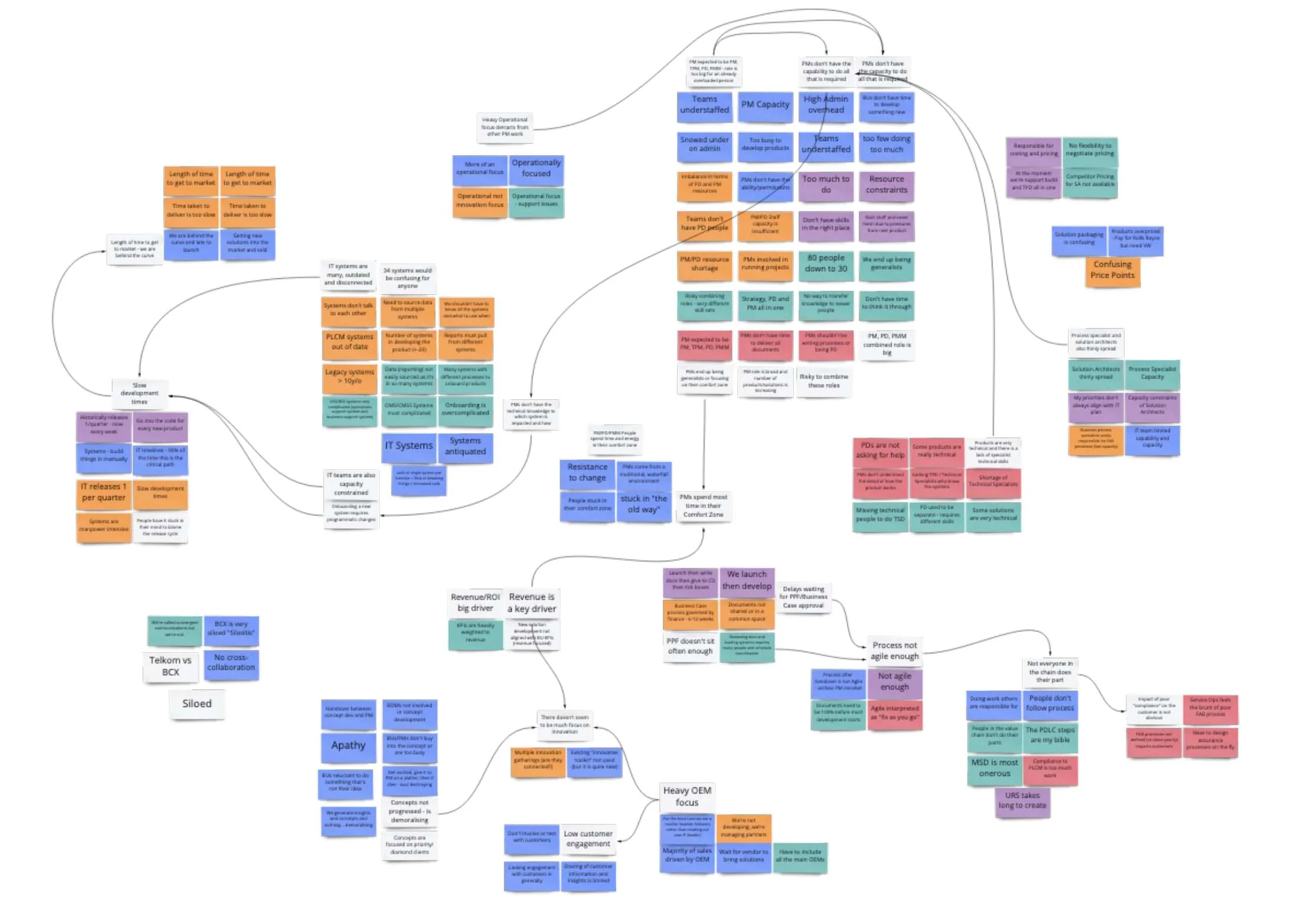
Later, I helped the team cluster themes. We mapped over 1,300 sticky notes from 20 interviews and distilled them into 46 key pain points and needs.
I focused on what would affect the flow of a real journey: overloaded roles, misaligned expectations, and missing decision gates.
Turning insights into structure
Designing a journey teams could trust
I then mapped a TO-BE journey that tackled the biggest breakdowns: missed handoffs, misaligned expectations, and overloaded roles. Each phase was grounded in real pain points and structured to support faster alignment.
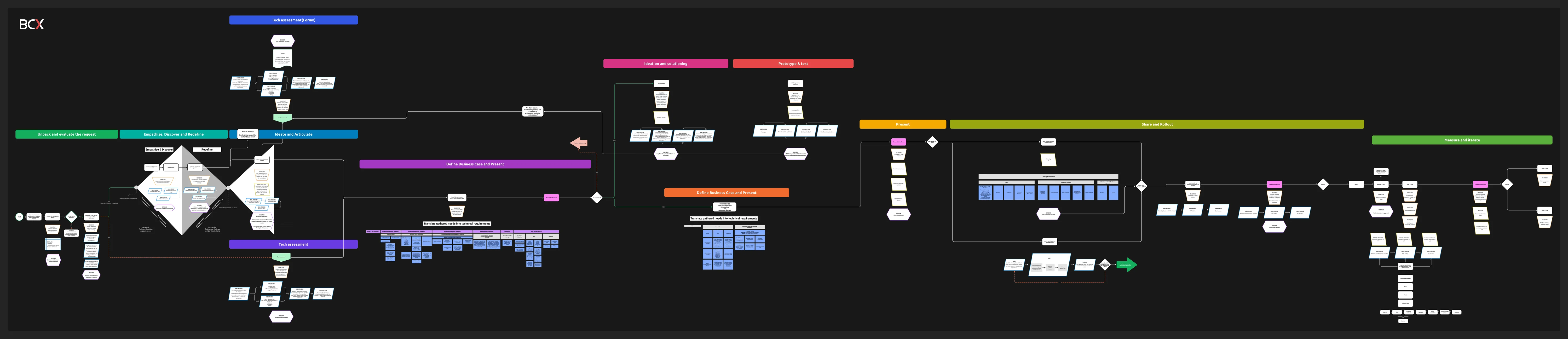
Easy to follow, easy to use
I designed the layout to be flexible and easy to follow in workshops, planning sessions, or onboarding. It became a shared reference that helped teams align quickly.
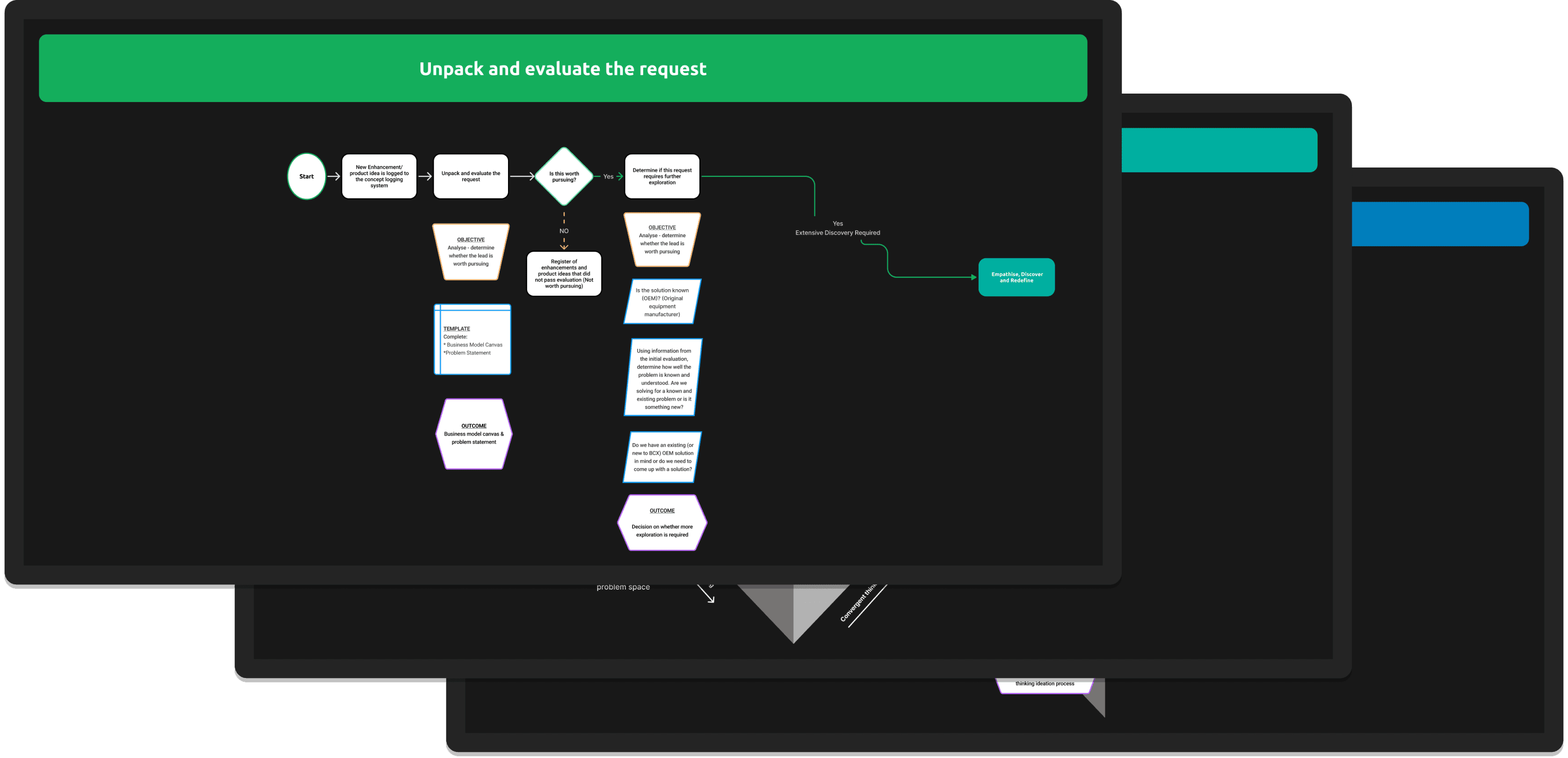
A system teams could grow into
Starting the Playbook
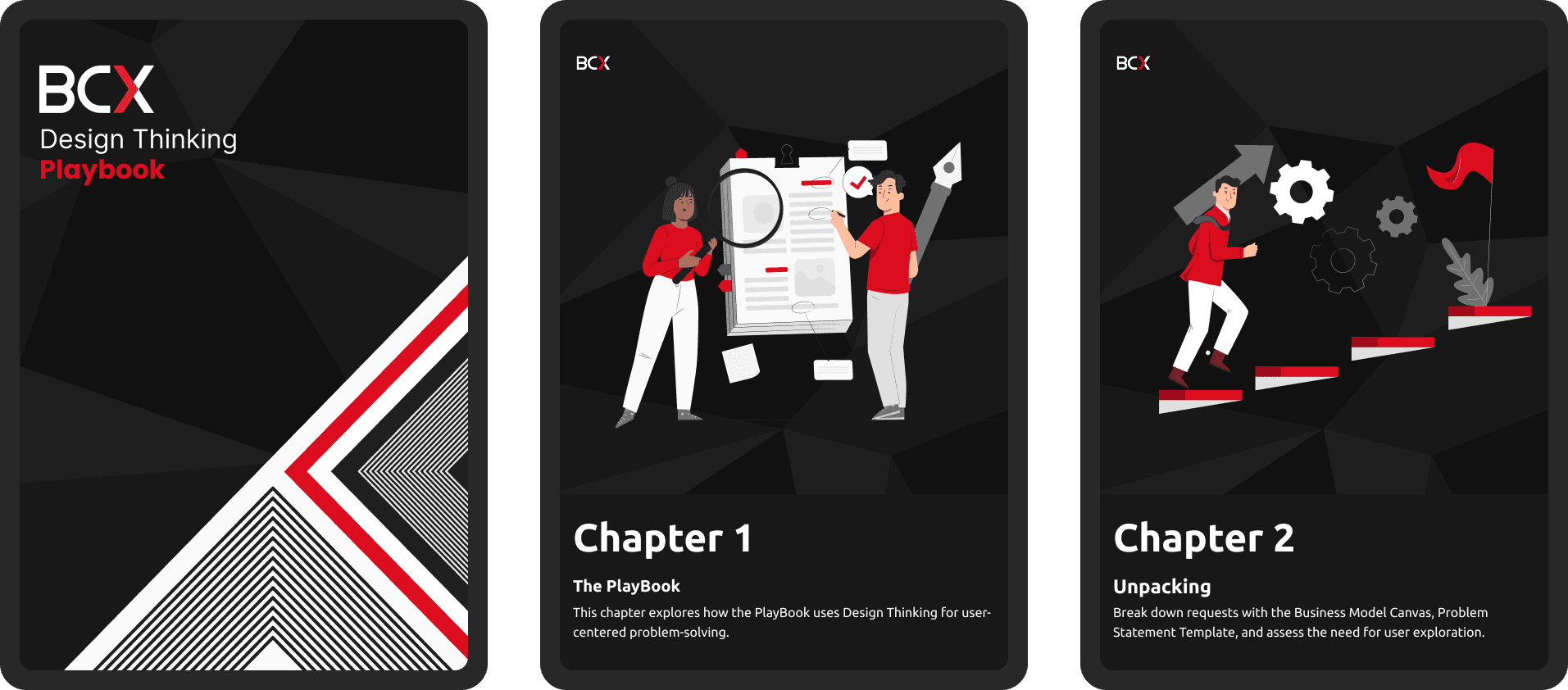
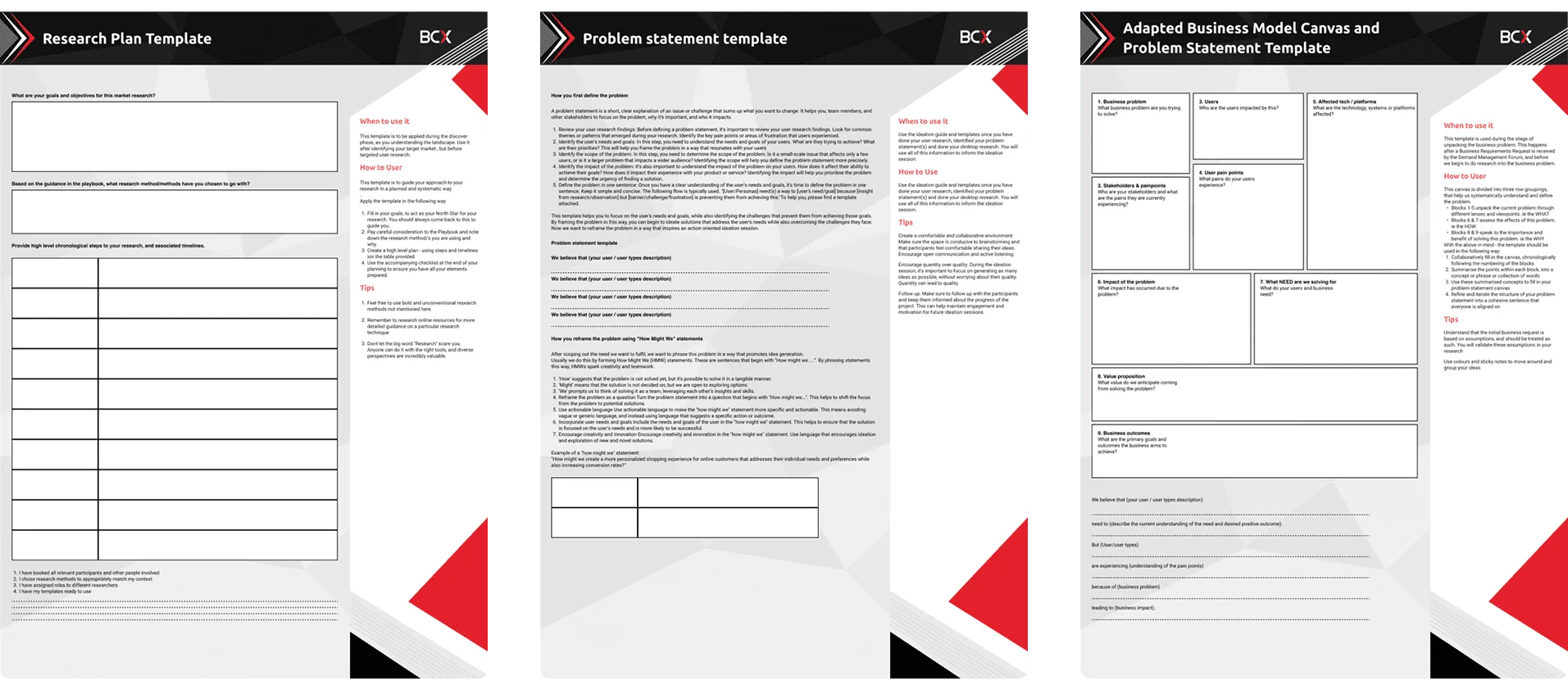
I structured the Playbook to walk teams through the new journey—phase by phase, step by step. It explained how the process worked, but also helped teams apply it with checklists, templates, and clear roles.
Making it feel connected
I designed the Playbook to align with the journey diagram, using the same colours, layouts, and icon system. The goal was to make it feel like part of one toolset not a separate thing.
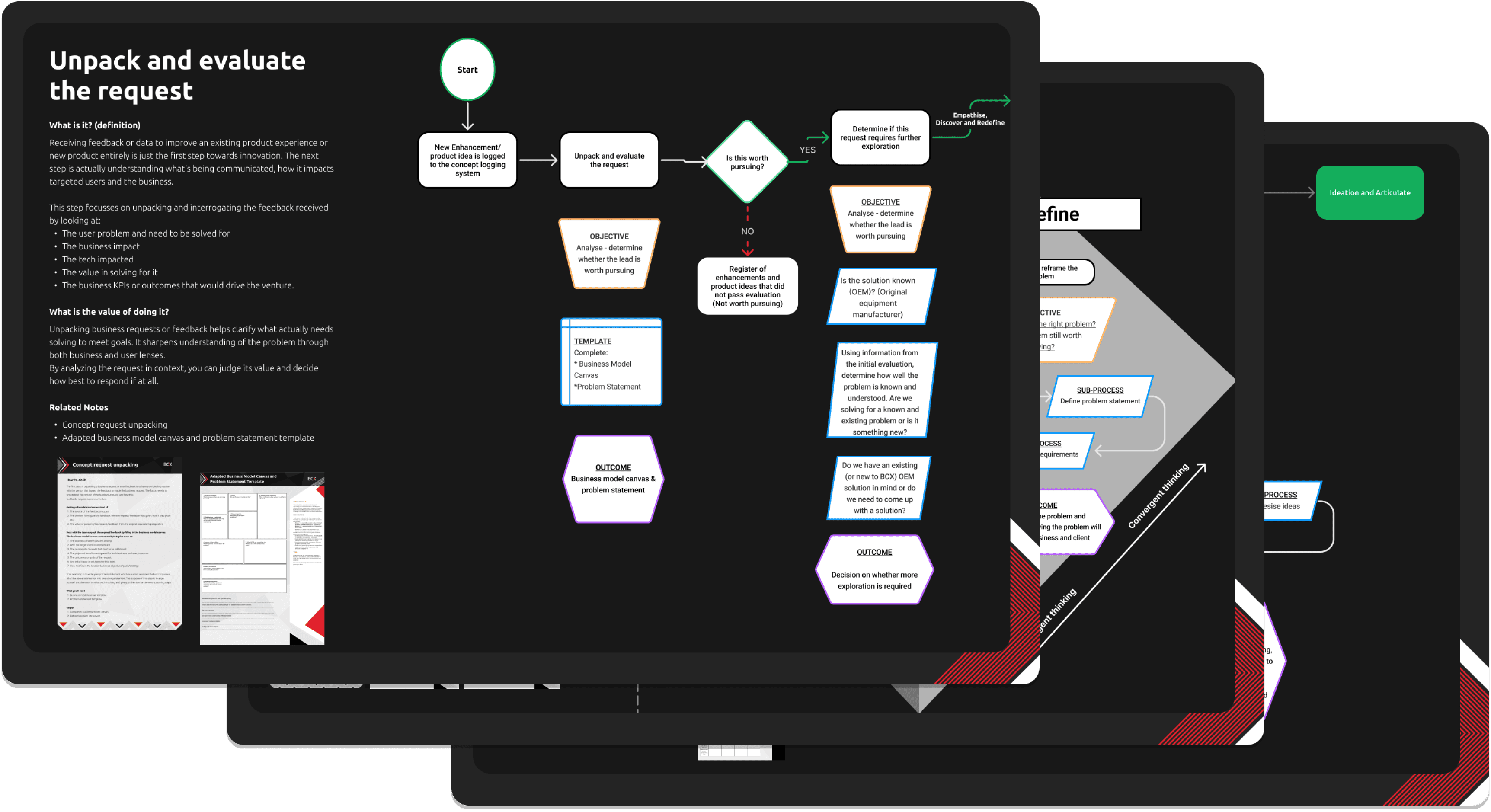
Making it feel connected
We used the Playbook in live sessions, and I updated it as we got feedback. Most of the time, I was tweaking layouts, refining labels, or improving clarity based on what teams struggled with. It was a learning curve — but a good one.
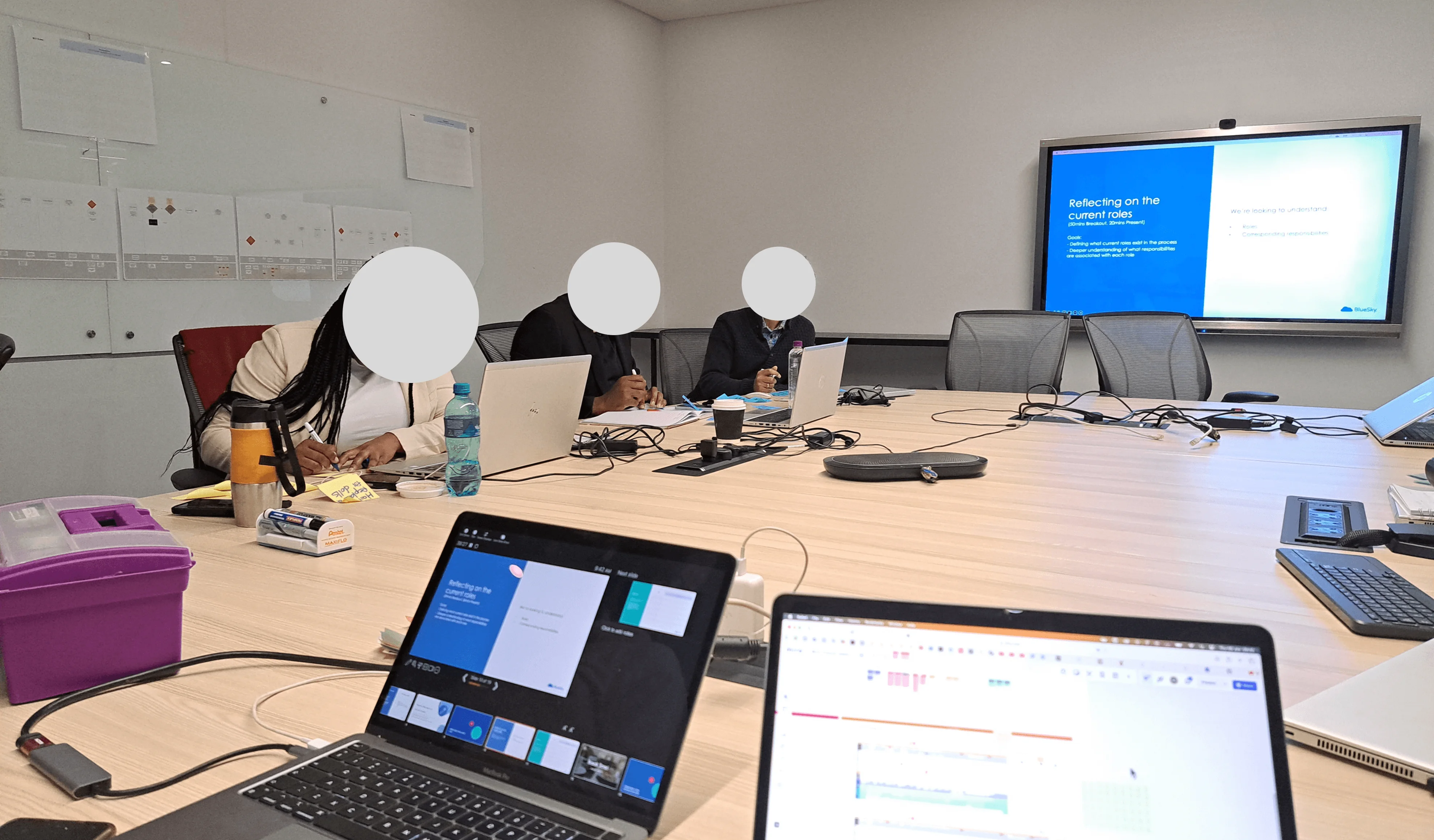
Tested, refined, and ready to roll out
A Premature Wrap
As the journey and Playbook came together, we started using them in weekly workshops with internal teams.
I handled visual prep, cleaned up diagrams, and made live adjustments during team sessions. The tools were gaining traction but just as the MVP rollout began, BCX paused the project due to internal restructuring.
Then the pause
Just as things were starting to gain traction, BCX went through internal restructuring. Budgets were cut, and the broader rollout was paused.
It was disappointing, but the tools were ready, and the work didn’t go to waste.
What I learned
Even without a full rollout, this work showed me how visuals can shift mindsets.
By grounding design in how people already think and work, we created change that felt both logical and human. That resonance mattered, even if the story paused early.